


Ramps For Wheelchair
Add a review FollowOverview
-
Sectors Fire
-
Posted Jobs 0
-
Viewed 89
Company Description
Guide To Aluminum Wheelchair Ramp: The Intermediate Guide For Aluminum Wheelchair Ramp
The Benefits of Aluminum Wheelchair Ramps: A Comprehensive Guide
Access to safe and dependable ways of mobility is a standard need for everyone. For people with mobility obstacles, browsing spaces can often be challenging. Wheelchair ramps play an important role in making environments more available. Amongst the products utilized in their construction, aluminum ramps are getting appeal due to their numerous advantages. This blog post explores the advantages and features of aluminum wheelchair ramps, supplying important insights for anyone considering this necessary investment.
What is an Aluminum Wheelchair Ramp?
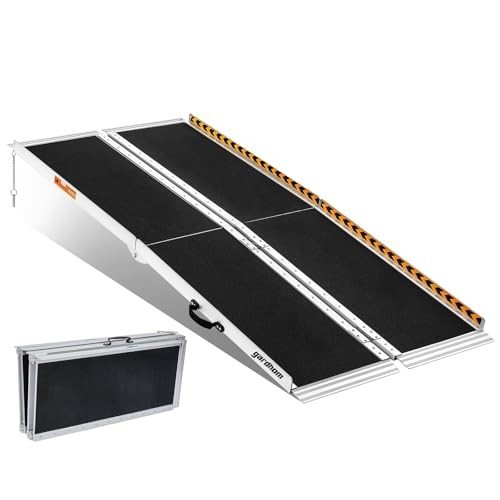
Aluminum wheelchair ramps are mobility help developed to offer smooth access into buildings, cars, or other elevated areas. They normally consist of a series of sloped surface areas that enable users to move between various levels without the need for steps or lifts. Aluminum ramps are known for their strength, sturdiness, and lightweight properties, making them an outstanding choice for both long-term and portable applications.
Advantages of Aluminum Wheelchair Ramps
| Benefits | Description |
|---|---|
| Toughness | Aluminum is resistant to rust and corrosion, making sure a long lifespan. |
| Lightweight | Easy to carry and navigate due to the lightweight nature of aluminum. |
| Adaptability | Ideal for numerous settings, from homes to public spaces, and even vehicles. |
| Maintenance | Needs very little maintenance compared to other materials such as wood. |
| Cost-Effective | Offers a good balance of rate and performance, often more budget-friendly than other products with similar durability. |
| Security Features | Geared up with non-slip surfaces and can be set up with side rails for added safety. |
Secret Considerations When Choosing an Aluminum Wheelchair Ramp
When picking an Aluminum wheelchair ramp (www.mymobilityscooters.uk), several crucial elements need to be considered:
-
Length and Slope: Ensure the ramp is long enough to abide by safety guidelines. The slope ratio is essential; a common suggestion is a 1:12 ratio (1 inch of increase for every single 12 inches of ramp run).

-
Weight Capacity: Check the weight capability of the ramp to ensure it can support both the wheelchair and the user securely.
-
Mobility: If mobility is a concern, search for ramps that are quickly foldable or have a lightweight design.
-
Installation: Consider whether you require a permanent installation or a temporary, portable service.
-
Security Features: Features like a non-slip surface area, raised edges, and hand rails can improve safety during use.
Kinds Of Aluminum Wheelchair Ramps
Aluminum wheelchair ramps come in various types to suit various needs:
| Type | Description |
|---|---|
| Portable Ramps | Lightweight and easily adjustable ramps ideal for temporary usage. |
| Limit Ramps | Short ramps developed to get rid of door sills or small height differences. |
| Foldable Ramps | Can be folded for easy storage and transportation, making them versatile for different places. |
| Long-term Ramps | Installed completely for ongoing ease of access; developed for more substantial usage. |
Upkeep of Aluminum Wheelchair Ramps
Maintaining aluminum wheelchair ramps is reasonably simple. Here are some suggestions for maintenance:
- Regular Cleaning: Rinse off mud and dirt with water or a mild detergent to avoid build-up.
- Examine for Damage: Examine the ramp routinely for any indications of wear or damage. Guarantee the framework is strong and the surface area is undamaged.
- Check Non-Slip Features: Ensure that the non-slip finishing remains reliable and change it if required.
- Protect Fasteners: Occasionally check and tighten up any screws, bolts, or fasteners to ensure stability.
FAQs About Aluminum Wheelchair Ramps
Q1: What is the cost of aluminum wheelchair ramps?
A: The expense of aluminum wheelchair ramps can differ substantially based upon length, style, and manufacturer. Usually, the price can range from a couple of hundred to over a thousand dollars. It is vital to examine the specific requirements and use frequency to figure out the appropriate investment.
Q2: Do I require an expert to set up an aluminum ramp?
A: Many aluminum ramps feature easy-to-follow installation guidelines, enabling most people to set them up without expert help. Nevertheless, for long-term installations or intricate setups, seeking advice from a professional is recommended to guarantee safety and compliance with local policies.
Q3: Can aluminum wheelchair ramps be used outdoors?
A: Yes, aluminum ramps are ideal for outside usage as they are resistant to rust and corrosion. They perform well in various climate condition, making them suitable for external access points.
Q4: Are there weight limits for aluminum wheelchair ramps?
A: Yes, aluminum wheelchair ramps are designed with particular weight limitations. It is important to inspect the producer’s guidelines to guarantee that the ramp can securely support the user and their wheelchair.
Q5: How do I figure out the required length of the ramp?
A: The required length of the ramp depends upon the height of the surface area to be accessed. A basic guideline is to use a 1:12 slope ratio; for instance, if the height is 24 inches, the ramp should be at least 24 feet long.
Aluminum wheelchair ramps are a useful and efficient option for improving availability in numerous environments. Their special mix of resilience, lightweight building and construction, and safety functions makes them a preferred choice for a varied series of users. Whether one requires a portable solution for occasional usage or a permanent setup for ongoing availability, aluminum ramps provide flexible options created to fulfill specific requirements.
Investing in a quality aluminum wheelchair ramp is not just about enhancing mobility; it’s a commitment to developing an inclusive environment where everyone has the opportunity to browse freely. With the best choices, these ramps can significantly improve the everyday lives of people dealing with mobility challenges.